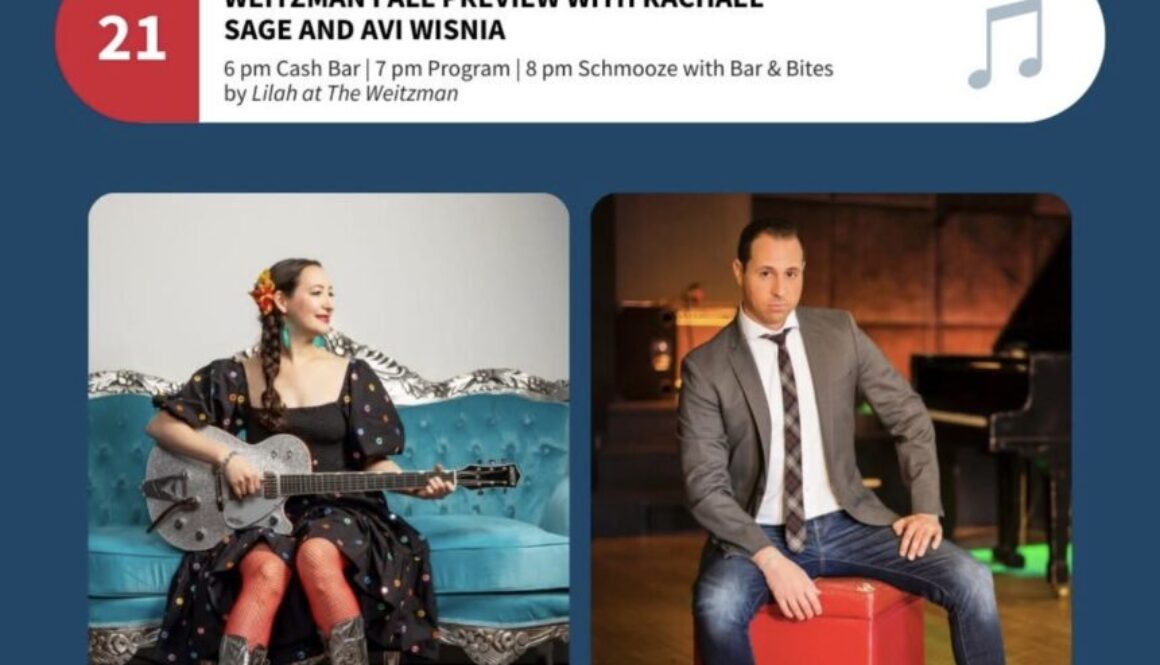
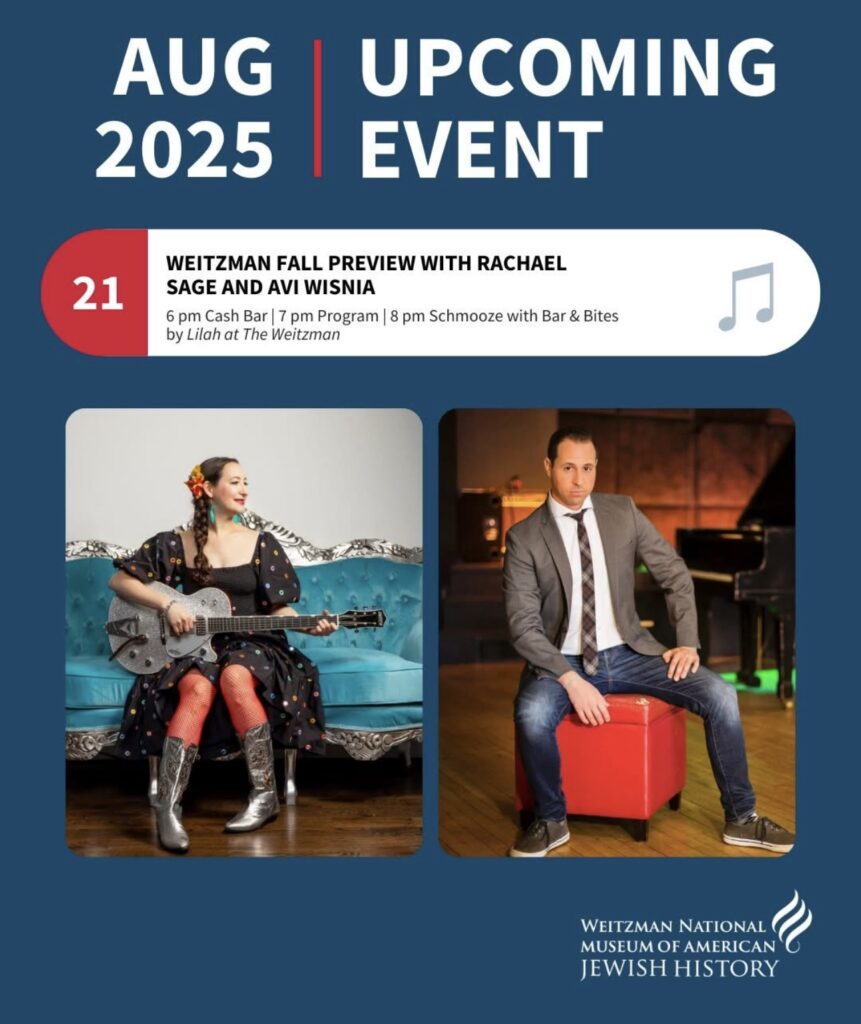
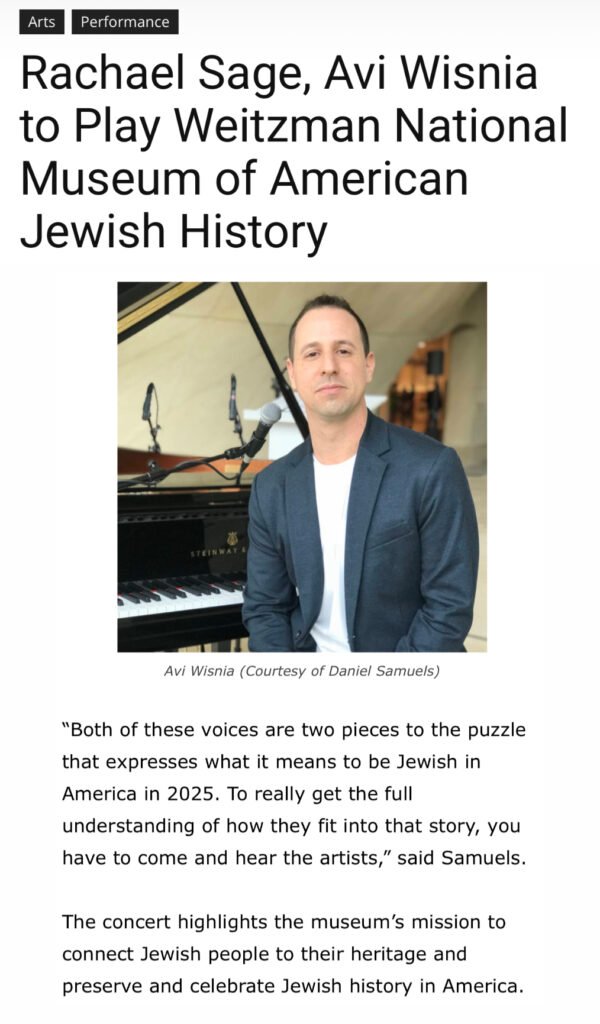
I’m so excited to return to The Weitzman Museum for a special concert with my magical musical friend Rachael Sage on Thursday Aug 21. We will both be performing our original music on the main stage, trading songs and stories, and previewing the upcoming season at Philadelphia’s incredible Weitzman National Museum of American Jewish History.
Come for the music, stay for the after-party schmooze and exhibit previews. Don’t miss it!
Thursday, August 21, 7pm For Tickets & Concert Info: Register HERE
Featured in The Jewish Exponent:
“Both of these voices are two pieces to the puzzle that expresses what it means to be Jewish in America in 2025. To really get the full understanding of how they fit into that story, you have to come and hear the artists.” …
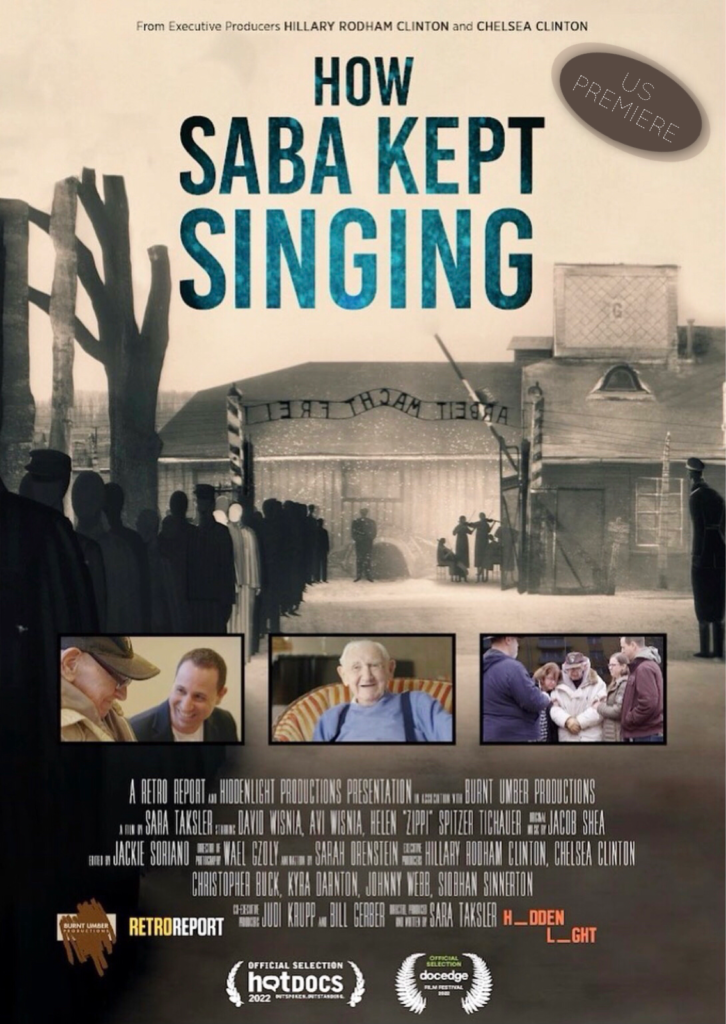
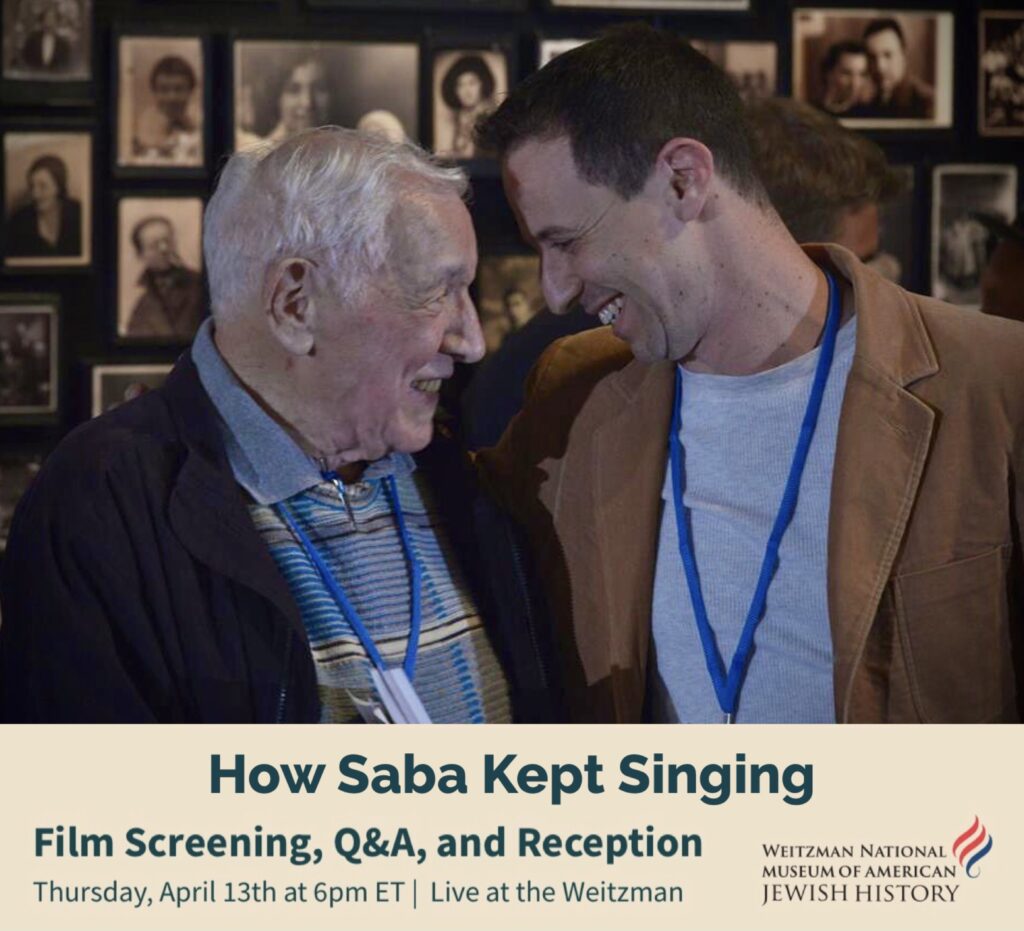
You are invited to the Philly Premiere of How Saba Kept Singing
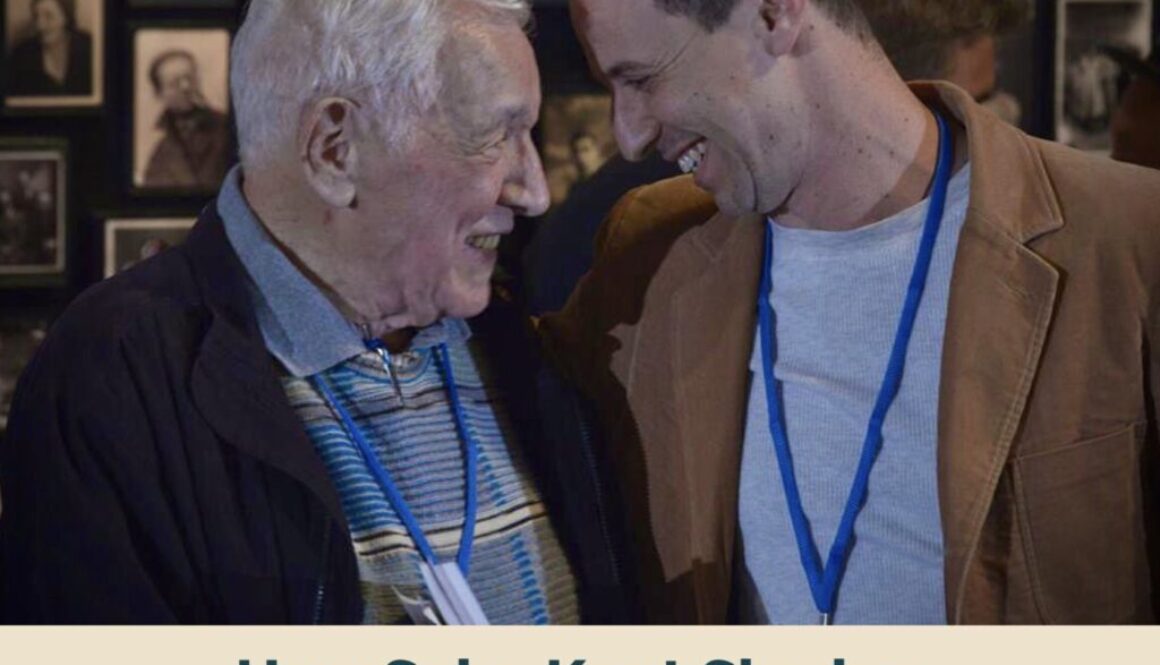
Many of you know that I performed with my grandfather for many years before he passed away. One of the last trips we took together was to Poland in 2020 to perform one last time. That journey has now been turned into an amazing feature documentary, and I’d like to invite you to come see it!
“HOW SABA KEPT SINGING” will have a theater screening (APR 13) in Philadelphia, in advance of a TV premiere (*edited for time) on PBS! (APR 18)
The feature documentary follows our Wisnia family as we recently travelled back to Poland with my grandfather David, my “Saba,” and reveals the many ways he survived the Holocaust. Not only does the film tell my late grandfather’s incredible story, it also incorporates music by Saba and me, including a song he wrote while a prisoner in Auschwitz which I translated into English.
I hope you will join me and my family at this hometown screening, and help us spread the word about the film so that everyone can hear my grandfather’s story.
The screening will be followed by a Q&A with director Sara Taksler and Avi Wisnia, David’s grandson. The Q&A will end with a special musical performance from Avi. All in attendance are invited to a casual post-film reception with the Wisnia family, including wine and food to celebrate the end of Passover. *This film screening is likely to sell out, advance reservations recommended.*
For those unable to attend the Philly Premiere, you can catch it on PBS TV just a few days later. The documentary will air on Yom HaShoah – Holocaust Remembrance Day, Tuesday April 18 at 10pm ET /9pm CT in the United States (check your local listings).
How To Watch: Download the PBS app on your phone, tablet, or TV streaming device and access programs with PBS Passport. Check local listings for broadcast details in your area as times may vary. Read more at: https://www.pbs.org/show/how-saba-kept-singing/
You can read more about our travels together by going to the blog at MY POLISH WISNIA.
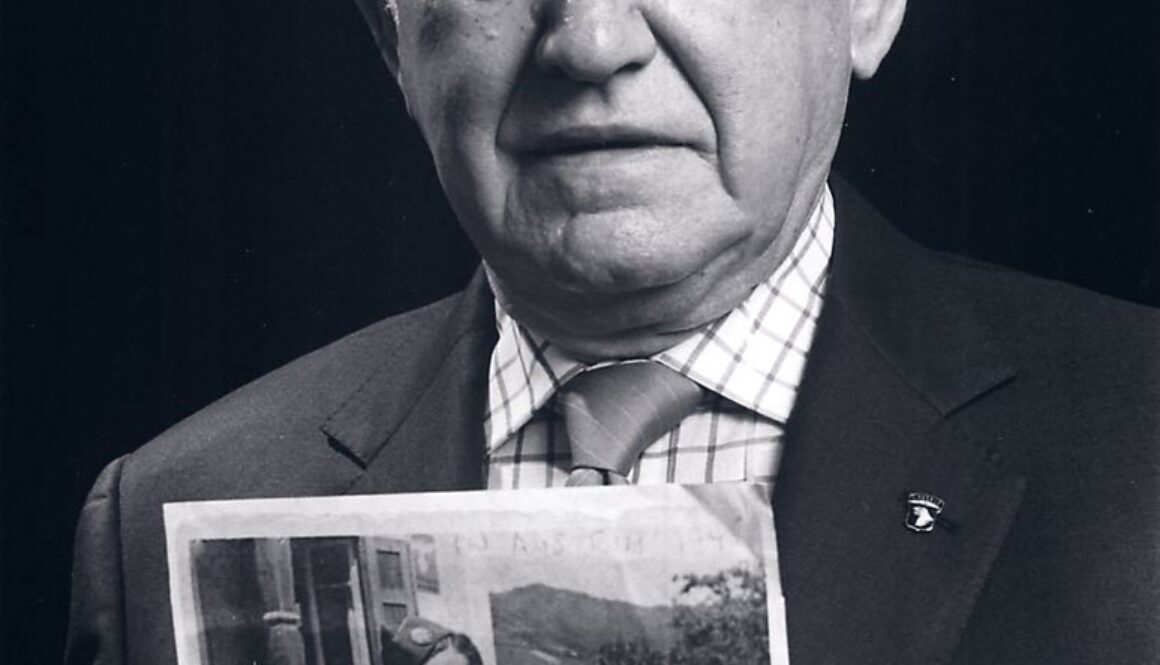
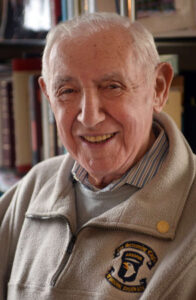
Remembering Cantor and Holocaust Survivor David Wisnia 1926 – 2021
Cantor David S. Wisnia, 94, passed away on Tuesday, June 15, 2021.
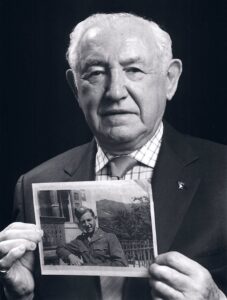
David Wisnia was a vocalist, composer, educator and beloved community leader. Later in life, he would use his powerful baritone to share with the world his remarkable tale of surviving the Holocaust through story and song, tracing his harrowing journey from young Polish singing star to Auschwitz prisoner to American liberator with the 101st Airborne. Cantor Wisnia’s remarkable singing voice helped save him in the Nazi concentration camp.
David was born in the town of Sochaczew, Poland on August 31, 1926. He was a star student of the Yavneh-Tarbut Hebrew School System and he had mastered multiple languages – including German, French, Yiddish, and Hebrew – by the age of 10. He received vocal training as a pupil of director/composer Maestro A.Z. Davidovich. David also learned from renowned Cantors Gershon Sirota and Moshe Koussevitsky, mentors who taught him how to blend Jewish tradition with an operatic style.
As young David’s singing career began to flourish, he and his family – father Eliahu, mother Machla, older brother Moshe and younger brother Dov – moved to the capital city of Warsaw. David was soon performing in synagogues, in theaters, and on Polish radio. But on September 1st, 1939, Germany invaded Poland and soon after, the local Jewish population was forced into a small section of the city that would become the Warsaw Ghetto. One day, David returned home to find his father, mother, and younger brother murdered by the Nazi SS. David’s older brother had escaped the ghetto but was never seen again. Eventually David was captured and taken by cattle-car to the Auschwitz-Birkenau concentration camp.
David was a prisoner of Auschwitz for close to 3 years. He stayed alive by singing to entertain the Nazi guards and cell block leaders. While in the notorious death camp, he composed two songs that became popular with the inmates. One song is in Polish, “Oswieçim” (Auschwitz), and the other in Yiddish, “Dos Vaise Haizele” (The Little White House In The Woods), which is now on display at the Holocaust Museum in Washington DC. After being transferred to Dachau and surviving a Death March in December 1944, David managed to escape into the nearby woods. He was soon found and rescued by the American 101st Airborne Division. Joining with the 506th Parachute Infantry, he was adopted as their “Little Davey” and was able to put his language skills to work as an interpreter. He engaged actively in combat during the closing days of the war with Germany in 1945, transforming from a survivor to a liberator.
When the army brought him back with them to the United States in 1946, David set about building a new life in New York City. He began selling encyclopedias for the Wonderland of Knowledge company, eventually rising in the ranks to Vice President of Sales. He worked hard to support his wife, Hope, and their four children. He traveled often, but he always made sure to be home in time for Friday night Shabbat dinner – just as his father Eliahu had done for his family back in Sochaczew.
When the family moved to Pennsylvania, David and Hope helped grow a new thriving Jewish community in the Bucks County area. David served as Cantor of Temple Shalom in Levittown, PA for 28 years, and then as Cantor for Har Sinai Hebrew Congregation of Trenton, NJ for 23 years. After retiring, he remained an active part of the community, teaching classes on cantilation and Hebrew language, leading communities in prayer, and performing numerous life-cycle events: baby namings, bar/bat mitzvah ceremonies, weddings and funerals around the country. David also became a member of the American Conference of Cantors within the Union of American Hebrew Congregations.
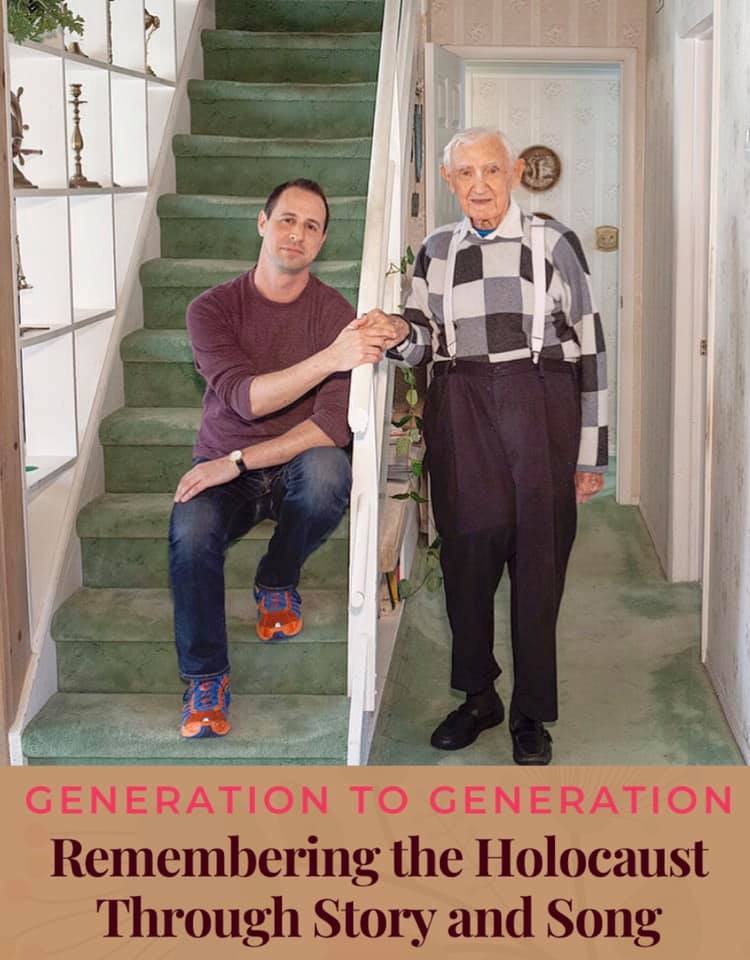
David would go on to perform internationally, singing in Buenos Aires’ Libertad Synagogue, Israel’s Yad Vashem, and Warsaw’s Nozik Synagogue (1986) where he officiated at the first formal Bar Mitzvah ceremony to be held in Poland since World War II – the same synagogue where Wisnia sang as a choir boy over 70 years prior. David also performed concert tours with his grandson, singer/songwriter and pianist Avi Wisnia. Most recently, David returned to Poland to commemorate the 75th Anniversary of the Liberation of Auschwitz at a 2020 event attended by concentration camp survivors and prominent heads of state, which was televised to an international audience of millions. He frequently said that one of his greatest honors was being called up to sing the US national anthem at the annual 101st Airborne Snowbird Reunion in Tampa, Florida, where veterans of World War II still called him Little Davey.
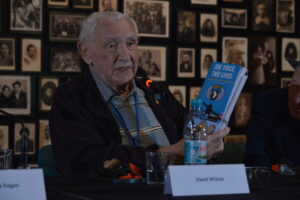
Towards the end of his life, David Wisnia found it increasingly urgent to share his experiences of living through the Holocaust. He published his memoir, “One Voice, Two Lives,” (2015) to ensure that this chapter of history will never be forgotten. His story has been featured in The New York Times, The Daily Mail, The Jewish Exponent, Buzzfeed, and in many other outlets around the world.
David led presentations about the Holocaust for audiences at synagogues, schools, and museums, and he was a frequent guest lecturer at Stockton University in New Jersey, at the invitation of Professor Douglas Cervi. David loved connecting most with students and young people, taking selfies with them, and imploring them to think about the impact they have on the world around them. When asked what he hoped the students took away from his story, he would say, “Do away with hate. Prejudice and hatred leads to death. There is a saying in the Torah: God tells Abraham ‘You shall be a Blessing’ and that is my message, that each and every one of us should ‘be a blessing.’ We should do good in this world, and be good to one another. Live a life with meaning and purpose, and leave this world a better place than when you entered it.”
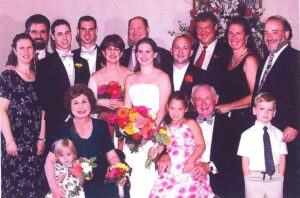
David will certainly be remembered for his incredible voice, but he will also be remembered for his love of hot soup, fancy cars, and making friends with anyone and everyone he came into contact with. Husband of the late Hope Wisnia, he is survived by his two sons and daughters-in-law, Rabbi Eric and Judith Wisnia, Michael and Misa Wisnia; two daughters and sons-in-law, Karen Wisnia and Kirk Wattles, Jana and Lee Dickstein; and five grandchildren, Sara (Matthew Schiffer) and Avi Wisnia, Rachel and Ethan Dickstein, and Naomi Wattles. He was also grandfather of the late Dov Benjamin Wisnia.
David will be dearly missed by so many, but his story, his voice, and his legacy will continue to resonate from generation to generation.
Read the complete obituary HERE. Read the New York Times tribute HERE.
A public memorial for Cantor Wisnia will be held on Sunday, August 22, 2021 at Congregation Rodeph Shalom in Philadelphia.
To honor the life of Cantor David Wisnia, donations can be made to the following:
Auschwitz-Birkenau Memorial and Museum, working to preserve the legacy of and educate about the Holocaust: DONATE
New Jersey Commission on Holocaust Education: mail a check for the commission to P.O. Box 500, Trenton NJ 08625, c/o Prof. Doug Cervi (memo: in honor of David Wisnia)
I am honored to be doing this program with
The National Museum of American Jewish History.
Please join us online, wherever you are.
“From Generation to Generation:
Remembering the Holocaust in Story and Song”
a program streaming live at Facebook.com/NMAJH or NMAJH Website
Monday, April 20 at 6pm ET
“In honor of Yom HaShoah – Holocaust Remembrance Day, NMAJH welcomes award-winning Philadelphia singer/songwriter Avi Wisnia to discuss the stories and songs of his grandfather, Cantor and Auschwitz survivor David S. Wisnia. Cantor Wisnia’s remarkable singing voice helped save him in the Nazi concentration camp, and he continues singing to this day as he and his grandson travel around the world performing concerts and conducting programs on the Holocaust.
The program will feature some never-before-seen video footage from an intimate concert performed by Avi and his grandfather. Conversations between songs will explore the duo’s multi-generational musical connection, the importance of preserving David’s story and legacy, the Wisnia family’s recent return to Poland to commemorate the 75th anniversary of the liberation of Auschwitz, and more. The event will highlight the urgency of keeping the memory of the Holocaust alive, and the importance of passing on this legacy from generation to generation.